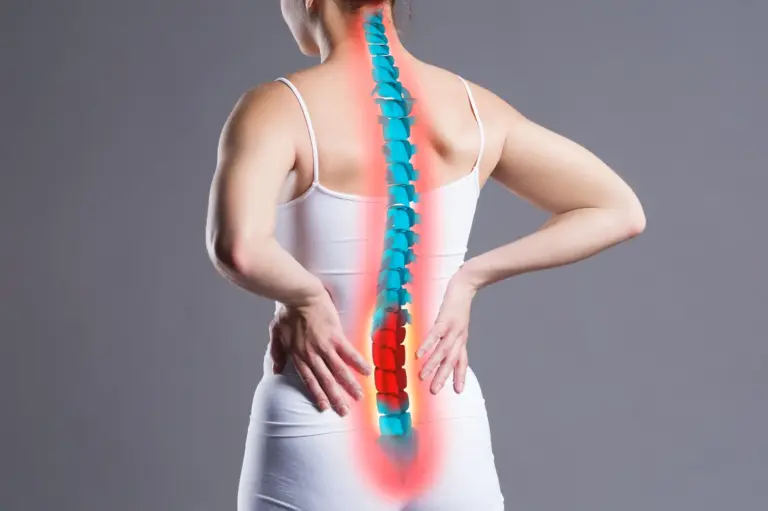
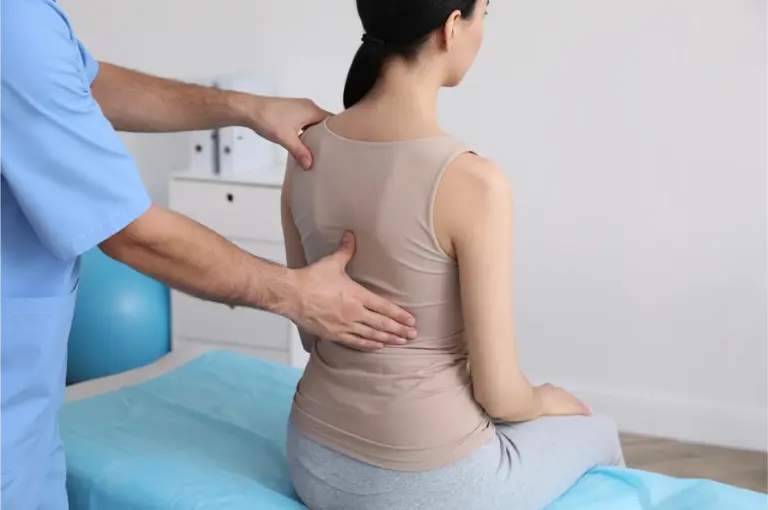
A non-surgical treatment for the back and neck pain that comes from a compressed or damaged disc.
Computerised decompression tables
Non-surgical relief
Taking the pressure off the disc
Spinal decompression is a non-invasive, non-surgical treatment for back and neck pain. Our computerised decompression tables gently relieve pressure on the nerves and joints of the spine, which eases the pain that comes with disc problems and degenerative arthritis.
The treatment works by applying intermittent traction at specific angles and pressures to create negative pressure inside the disc. That drop in pressure does three useful things: it takes mechanical load off an irritated nerve root, it draws fluid and nutrients back into a disc that has very little blood supply of its own, and it restores normal motion to a segment that has been stuck. Patients often get relief from arm and leg numbness, sciatica, headaches and spasms as well as the back pain itself.
You stay fully clothed and lie on the table while a harness applies the traction in cycles. It is a passive treatment, so there is nothing you have to do beyond relax and let the table work.
Decompression is not recommended if you have
Pregnancy
Fracture
Tumour
Abdominal aortic aneurysm
Advanced osteoporosis
Metal implants in the spine
Tell us about any of these, and about recent spinal surgery, before treatment begins.
The treatment is aimed at pain that comes from the disc rather than from the joint or the muscle. That usually means a herniated or bulging disc pressing on a nerve root, a degenerated disc that has lost height and is no longer holding the vertebrae apart properly, or degenerative arthritis narrowing the channel a nerve passes through.
The pattern most patients describe is pain that travels. Low back pain that runs into the buttock and down the leg is the classic presentation of sciatica. In the neck the same mechanism sends pain, pins and needles or weakness down an arm. Pain that changes with position, that is worse first thing in the morning, or that spikes when you cough or sneeze all point towards a disc.
How it compares with an adjustment
A chiropractic adjustment restores motion to a joint that has stopped moving properly. Decompression targets pressure inside the disc. They solve different problems, which is why they are often used in the same treatment plan: the adjustment gets the segment moving, the decompression takes load off the disc, and massage therapy releases the muscle that has been guarding the whole area.
Not sure if this is what you need?
Call the clinic and we will tell you whether this is something we treat.
Decompression is not a single-visit treatment. A typical plan runs a series of sessions across several weeks, with the sessions closer together at the start. Each session takes around twenty minutes on the table and is usually combined with other treatment in the same appointment.
Progress is tracked against specific things rather than a general sense of feeling better: how far the pain travels down the leg, whether the numbness has receded, how long you can sit or stand before it starts. Those markers tell us whether the disc is responding. If they have not moved by the point we expected, we say so and reconsider, which may mean imaging or a referral rather than more sessions.
When decompression is not the answer
Some presentations need a surgical opinion rather than conservative care. Progressive weakness in a leg or arm, loss of bladder or bowel control, saddle numbness, or pain following significant trauma are all reasons to be assessed urgently rather than booked for a course of treatment. If any of that applies to you, seek medical care now rather than waiting for a chiropractic appointment.
Call 918-615-3433 to find out whether spinal decompression fits your case. The examination comes first, and if decompression is not right for you we will tell you what is.
The information on this site is general and is not medical advice. It does not replace a consultation with a licensed provider. Individual results vary.
FAQ
Spinal decompression questions
How do I know if I am a candidate?
Decompression suits many patients with disc problems, sciatica, nerve pain and degenerative arthritis. It is not recommended during pregnancy or with a fracture, tumour, abdominal aortic aneurysm, advanced osteoporosis or metal implants in the spine. The examination decides it.
Does it hurt?
It should not. Most patients describe a gentle stretch and many find the session relaxing. Tell us immediately if anything is painful, since the settings can be adjusted.
How long is a session?
Around twenty minutes on the table, usually combined with an adjustment or soft tissue work in the same visit.
How is it different from an adjustment?
An adjustment restores joint motion. Decompression reduces pressure inside the disc. They address different problems and work well together.
Is it surgery?
No. There is no incision, no anaesthetic and no recovery period. You drive yourself home.
Find out if decompression fits your case
Book an examination and we will tell you honestly whether this is the right treatment.